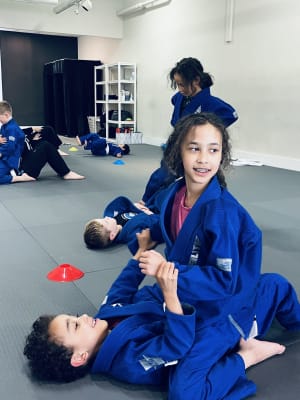
Training Jiu Jitsu is a unique experience on its own, but when siblings step onto the mat together, it adds another layer of connection, growth, and sometimes a little chaos. Sharing the journey of learning a martial art can strengthen their bond in powerful ways, but it can also come with its own set of challenges. Like any relationship, the experience is a mix of highs and lows that ultimately shape both individuals.
One of the biggest benefits of siblings training together is the bond it creates. They share the same environment, learn the same techniques, and go through similar challenges. This shared experience naturally brings them closer. They have someone at home who understands what they’re working on, someone to talk to about class, and someone to practice with. These moments—whether it’s drilling in the living room or talking about a new move—help build connection and create lasting memories.
Training together also builds mutual respect. On the mat, siblings see each other in a different light. They watch each other work hard, struggle, improve, and succeed. This can shift how they view one another outside of training. A younger sibling may begin to look up to an older one for their discipline, while an older sibling may develop more patience and encouragement. Jiu Jitsu creates opportunities for siblings to support each other in ways they might not in everyday life.
At the same time, having a built-in training partner can be incredibly valuable. Siblings can practice techniques between classes, help each other remember details, and reinforce what they’ve learned. This extra repetition often leads to faster improvement and deeper understanding. They also motivate each other to stay consistent—when one wants to skip class, the other can provide that extra push to show up.
However, training together isn’t always easy. Sibling dynamics don’t disappear just because they’re on the mat. Competition can sometimes creep in, especially if one sibling progresses faster or receives more recognition. This can lead to frustration or comparison if not handled carefully. It’s important for both siblings—and coaches—to emphasize that Jiu Jitsu is an individual journey, and everyone progresses at their own pace.
There can also be moments of distraction. Familiarity can make it harder for siblings to stay focused in class, especially for younger kids. They might joke around, lose concentration, or treat training time more like playtime. While it’s great for them to enjoy the experience, maintaining structure and discipline is important to ensure they are learning effectively.
Another challenge can be balancing intensity. Some siblings may go too hard with each other, letting emotions or competitiveness take over. Others may not challenge each other enough, holding back instead of providing realistic resistance. Learning how to train with control, respect, and the right level of intensity is an important lesson—and one that often carries over into how they interact outside the gym.
Despite these challenges, the benefits of siblings training together usually outweigh the difficulties. With the right guidance and a supportive training environment, those challenges become opportunities for growth. Siblings learn how to communicate, support one another, and navigate competition in a healthy way.
Ultimately, Jiu Jitsu gives siblings a shared journey that strengthens their relationship in meaningful ways. They grow together, push each other, and experience both success and struggle side by side. While there may be bumps along the way, those moments are part of what makes the experience so valuable.
In the end, siblings who train together don’t just become better athletes—they build a deeper connection that can last far beyond the mats.