
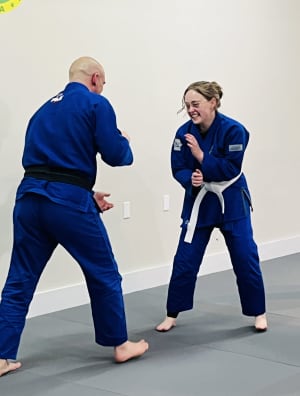
Starting something new can feel both exciting and overwhelming, especially when it pushes you outside of your comfort zone. Whether you’re considering Jiu Jitsu or any new physical practice, the hardest part is often simply getting started. The good news is that you don’t need to have everything figured out before you begin. Taking that first step—walking through the door—is what sets everything else in motion.
The first thing to focus on is finding the right place to train. Not all gyms or training environments are the same, and the culture matters just as much as the instruction. Look for a space that emphasizes learning, respect, and a positive community. A good training environment will feel welcoming, organized, and supportive of beginners. If you have the chance, visit ahead of time, observe a class, or take advantage of a trial session. Seeing how instructors interact with students and how teammates treat one another can tell you a lot about whether it’s the right fit.
Once you’ve chosen a place to train, it’s important to let go of any pressure to be “ready.” You don’t need to be in great shape, flexible, or experienced to start. Training is what builds those things. Everyone begins as a beginner, and no one expects you to be perfect. Showing up with an open mind and a willingness to learn is far more important than any level of fitness or prior knowledge.
Your first few classes may feel unfamiliar, and that’s completely normal. You’ll be introduced to new movements, terminology, and techniques that can take time to understand. Instead of trying to absorb everything at once, focus on small pieces. Pay attention to one or two details at a time and allow yourself to learn gradually. Progress in training comes from consistency, not perfection.
What you wear and bring to class is simple. Most beginners can start with comfortable workout clothes before investing in specific gear. Stay hydrated, listen carefully to instruction, and don’t be afraid to ask questions. Coaches and training partners are there to help you, and asking questions is part of the learning process.
Another key part of starting training is finding a rhythm that works for you. Consistency matters more than intensity in the beginning. It’s better to train regularly at a sustainable pace than to go too hard and burn out. As your body adapts and your confidence grows, you’ll naturally want to increase your time on the mat.
It’s also important to be patient with yourself. Learning any new skill takes time, and there will be moments where things feel challenging or even frustrating. That’s part of the process. Instead of focusing on what you don’t know yet, celebrate small wins—showing up, remembering a movement, or feeling a little more comfortable than you did the class before. These small improvements are what build long-term progress.
As you continue your training journey, you’ll begin to notice changes. You’ll move more confidently, think more clearly under pressure, and develop both physical and mental strength. What once felt unfamiliar will start to feel natural, and the gym will begin to feel like a place where you belong.
Starting training is not about being perfect—it’s about being willing. It’s about showing up, learning, and growing step by step. No matter where you begin, the most important thing is that you begin.