
Jiu Jitsu has a way of pulling people in like few other activities can. What often starts as curiosity or a simple fitness goal quickly turns into something much deeper. People find themselves rearranging their schedules to make class, thinking about techniques throughout the day, and counting down the hours until they can get back on the mat. The reason is simple—Jiu Jitsu is not only fun, but it taps into something mentally and physically engaging in a way that keeps you coming back for more.
One of the biggest reasons Jiu Jitsu is so enjoyable is that it’s constantly changing. No two rolls are ever exactly the same. Each training partner presents a new puzzle to solve, and every class introduces new techniques or variations. This variety keeps things exciting and prevents the boredom that often comes with repetitive workouts. Instead of going through the motions, you’re actively thinking, adapting, and experimenting every time you train. It feels less like exercise and more like a game—one where you’re always learning and evolving.
That problem-solving element is a huge part of what makes Jiu Jitsu so addictive. It’s often compared to physical chess, where you’re trying to anticipate your opponent’s moves while executing your own strategy. When something finally clicks—when you hit a technique you’ve been working on or escape a tough position—it creates a sense of accomplishment that’s incredibly satisfying. These small “wins” release a rush of excitement that keeps you hooked and motivated to improve.
The challenge itself is another reason people fall in love with Jiu Jitsu. It’s not easy, especially in the beginning. There are moments of frustration, confusion, and even self-doubt. But that difficulty is exactly what makes progress so rewarding. Each class feels like an opportunity to get a little bit better, and over time, those small improvements start to add up. The journey becomes addictive because there is always more to learn—no matter how long you’ve been training.
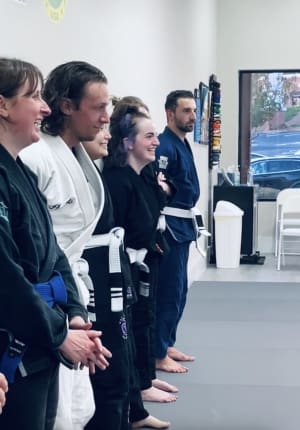
Jiu Jitsu also creates a powerful sense of connection. Training involves working closely with others, which builds trust and camaraderie. You laugh, struggle, and grow together, forming bonds that make the experience even more enjoyable. The energy in a good gym—people encouraging each other, celebrating progress, and sharing knowledge—makes training something you want to be part of regularly. It’s not just about the moves; it’s about the people.
Another factor is the mental escape Jiu Jitsu provides. When you’re on the mat, it’s hard to think about anything else. Your focus is entirely on what’s happening in the moment—your breathing, your positioning, your next move. That kind of full immersion gives your mind a break from stress, responsibilities, and distractions. For many, it becomes a form of moving meditation that leaves you feeling refreshed and clear-headed after each session.
Physically, the intensity adds to the fun. Rolling can feel like a mix of play and competition, where you’re testing your skills in a safe and controlled environment. You push yourself, get your heart rate up, and leave class feeling accomplished. Over time, you start noticing progress—not just in your technique, but in your strength, endurance, and overall fitness. That progress fuels motivation and makes you want to keep going.
Ultimately, Jiu Jitsu is addictive because it combines so many rewarding elements into one experience—challenge, growth, connection, and enjoyment. It keeps your mind engaged, your body active, and your spirit motivated. The more you train, the more you realize there is always something new to discover. And that endless journey of learning and improvement is what keeps people coming back, day after day, eager to step on the mat again.
Ultimately, Jiu Jitsu is about more than technique—it’s about people. The friendships built on and off the mats often become one of the most meaningful parts of the experience. They provide encouragement, accountability, and a sense of belonging that keeps people coming back. In a world where genuine connection can sometimes feel hard to find, Jiu Jitsu offers a space where friendships are formed through shared effort, trust, and growth—and those friendships can last a lifetime.