
Parents see it all the time: a child starts a sport full of excitement, then—weeks or months later—the spark fades. Practices turn into battles, uniforms sit untouched, and “I don’t want to go” becomes the refrain. It’s frustrating, especially when you know how much movement, teamwork, and discipline can benefit your child.
So why do kids quit? And how do we keep them engaged in a way that feels good for them and sustainable for the family?
At Teddy’s Jiu Jitsu Academy, we’ve spent countless hours building a kids’ program designed not just to teach Brazilian Jiu-Jitsu (BJJ), but to make it a joyful, meaningful part of their week. The secret is understanding why kids disengage—and crafting systems, coaching, and culture that meet them where they are.
This guide breaks down the common reasons kids quit sports, shows how BJJ uniquely solves those pain points, and gives you practical retention strategies you can use at home to keep your child thriving on (and off) the mats.
The Top Reasons Kids Quit Sports
Kids rarely quit because they “hate sports.” They quit because key needs aren’t being met. Here are the most common factors:
- It’s Not Fun Anymore: Children are wired for play. If practices feel repetitive, overly serious, or centered on winning instead of learning, the internal motivation drops fast.
- Kids’ perspective:
- “It’s boring.”
- “I’m not good at it.”
- “I only get yelled at or benched.”
Mismatch Between Skill and Challenge
If the activity is too hard, kids feel overwhelmed and anxious. If it’s too easy, they get bored. The sweet spot is a balanced challenge—what psychologists call the flow state.
Lack of Belonging
If team culture feels cliquey or if a child can’t find friends or caring mentors, they disengage. Peer connection is a powerful retention lever.
Overemphasis on Competition
When sports become about scores, standings, and adult expectations, kids who are newer or less naturally competitive can feel discouraged or ashamed.
Negative Coaching or Pressure
Well-meaning adults sometimes make sports stressful. Harsh criticism, public call-outs, or “win at all costs” vibes can trigger avoidance.
Scheduling Overload
If the family schedule becomes chaotic, late, or exhausting, kids associate the sport with stress—not joy. Logistics matter.
No Visible Progress
Children need to feel that they’re improving. Without clear markers of growth, they lose motivation.
Why Brazilian Jiu-Jitsu Keeps Kids Engaged
Brazilian Jiu-Jitsu is uniquely suited to help kids stick with an activity—because it directly addresses the reasons they quit.
Playful, Game-Based Learning
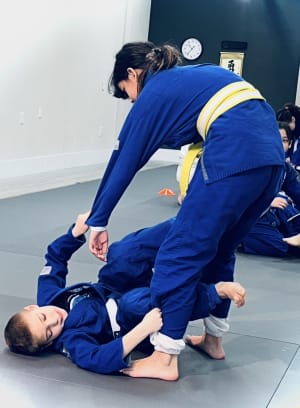
Kids learn through movement games, partner drills, and problem-solving challenges: animal walks, balance games, positional escapes, and control games. Practice feels like play—not just lines and lectures.
Result: High fun factor → higher attendance.
Personalized Challenge
In BJJ, you can scale intensity and complexity: a kid can focus on shrimping or grip breaks, while a more advanced student refines guard retention or passing strategy. Everyone operates within their just-right challenge zone.
Result: Less boredom, less overwhelm → more flow.
Belonging Through Partners and Teams
Classes build friendships one drill at a time. Kids work with rotating partners and small groups, learning to care for each other’s safety and success. It’s cooperative, not isolating.
Result: Peer connection → more willingness to show up.
Effort Over Outcome
We praise kids for showing up, trying hard, and learning—not just for submissions or stripes. The belt system is slow and deliberate, reinforcing growth mindset instead of “win or fail.”
Result: More intrinsic motivation → less fear of losing.
Safe, Positive Coaching
Great kids’ BJJ instruction emphasizes clear rules, consistent routines, positive reinforcement, and safety-first culture. Coaches model calm under pressure and celebrate small wins.
Result: Trust and confidence → better retention.
Family-Friendly Logistics
Parents can pair kids’ classes with adult classes or open mat time. We help turn training night into a family rhythm—less chaos, more consistency.
Result: Easier schedules → fewer missed practices.
Visible Progress
Kids see improvement fast: better movement patterns, smarter escapes, more control in games, earned stripes. We track skills and celebrate growth.
Result: Progress fuels engagement.
What Kids Actually Love About BJJ
Ask a child why they love jiu-jitsu and you’ll hear:
- Kids’ perspective:
- “It’s fun to learn moves.”
- “I feel strong and brave.”
- “I get to play with friends.”
- “I know what to do if someone wants to fight me.”
- “I like getting stripes!”
Unlike many sports that hinge on team selection or game time, BJJ gives every child frequent, personal wins in a supportive environment.
Age-Appropriate Progressions
Younger kids focus on movement, falling safely, frames, posture, and technical stand-up. Older kids layer in positional control, escapes, takedown basics, and self-defense concepts. Advanced kids explore strategy and systems.
Why it works: Developmental alignment keeps learning fun and digestible.
Positive Reinforcement & Stripe System
We reward effort, listening, helping partners, and hitting skill milestones. Stripes and promotions are earned—not rushed—so kids experience meaningful progress.
Why it works: Recognition fuels motivation and reinforces good behavior.
Partner Care & Safety Culture
Kids learn to be excellent training partners: controlled grips, clear communication (“Ready?”), tapping early, and listening to coaches. Safety builds trust; trust builds engagement.
Why it works: Safe kids are happy kids. Happy kids keep training.
Handling Common Speed Bumps (Without Losing Momentum)
“My child says they don’t want to go today.”
- Validate feelings: “I hear you.”
- Offer a micro-commitment: “Let’s go for 20 minutes. If it still feels tough, we leave.”
- Most kids stay and end up glad they did.
“We missed a week.”
- No guilt. Just return next session.
- Remind them of friends, games, and their next stripe goal.
“They felt discouraged in class.”
- Ask the two questions (learned + tried).
- Share one encouraging observation from the coach.
- Help them set one tiny focus next time (e.g., “Use frames when under mount”).
“They’re nervous about rolling.”
- Emphasize safety rules: tap early, communicate, coaches are watching.
- Start with positional games and build confidence gradually.
Why BJJ Is Rewarding Long-Term (Beyond Retention)
- Confidence: Kids learn they can do hard things.
- Discipline: They follow routines, respect rules, and show responsibility.
- Social skills: Cooperation, empathy, and communication grow naturally.
- Problem-solving: Every round is a puzzle—strategic thinking becomes fun.
- Self-defense: Kids learn control without harm, situational awareness, and how to stay safe.
These outcomes don’t fade with seasons. They become part of who your child is.
Your Next Step: Keep the Spark Alive
If your child has drifted from sports—or you want to start with something built for long-term engagement—try a class at Teddy’s Jiu Jitsu Academy.
Kids don’t quit because they’re “quitters.” They quit when the environment, expectations, and experience stop serving their needs. Brazilian Jiu-Jitsu—done right—meets those needs beautifully: play, progress, belonging, and a clear path forward. It’s fun today, rewarding tomorrow, and transformative over time.
Let’s give your child a sport they’ll love to return to—week after week, year after year. See you on the mats at Teddy’s Jiu Jitsu Academy.